
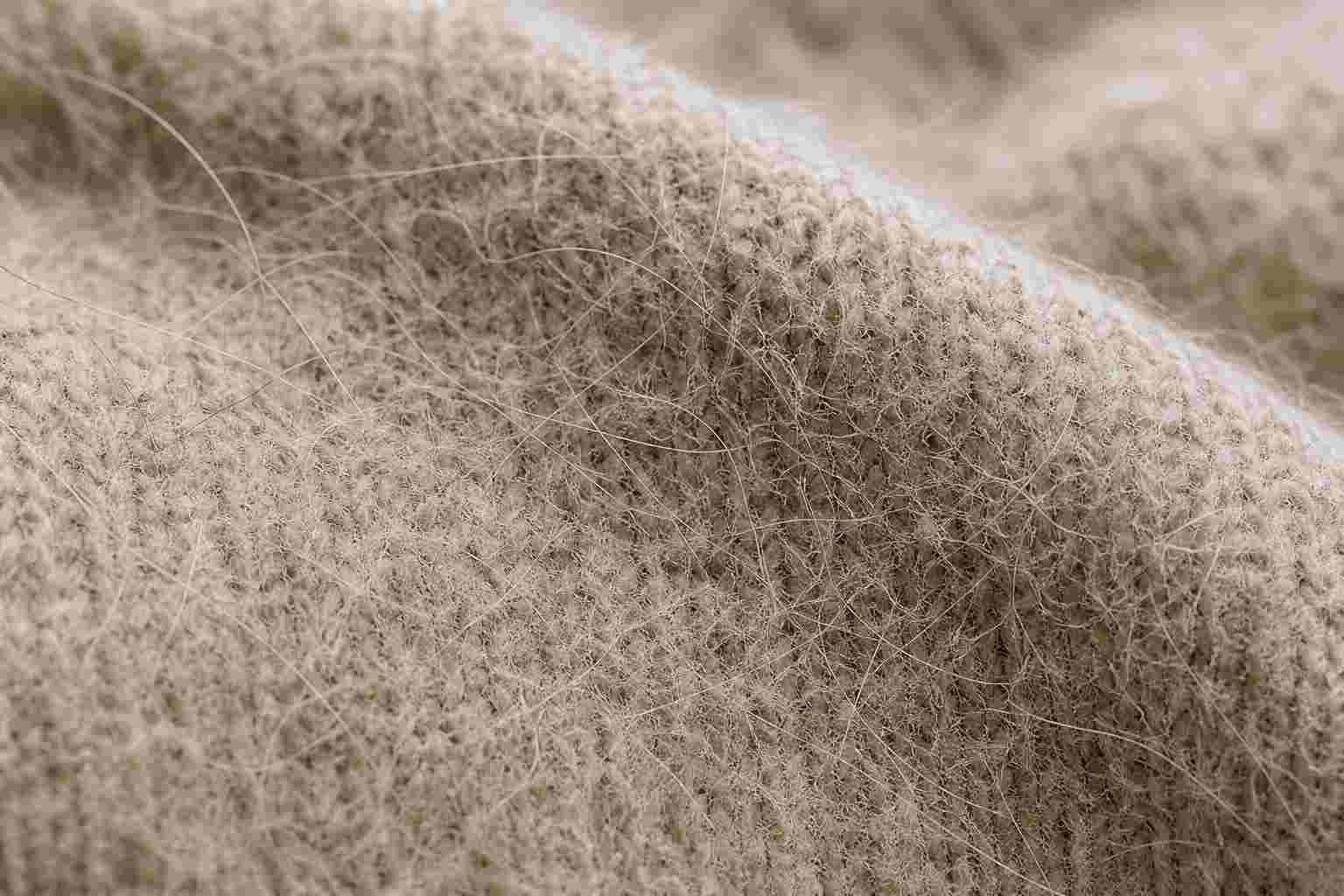
Dry cleaning removes some surface pet hair from garments but is not designed for it. The process uses chemical solvents to dissolve oils and stains, not to lift embedded fibers. Most dry cleaners pre-treat items with a lint roller before processing, but deeply embedded hair, especially on wool, velvet, or textured fabrics, often survives the process. For clothing, removing hair before drop-off improves results. For furniture and soft furnishings, a professional pet hair cleaning service is a far more effective option.
What Dry Cleaning Actually Does
The term dry cleaning is somewhat misleading. The process does use liquid, just not water. Garments are placed in a large drum machine where a chemical solvent, traditionally perchloroethylene or newer hydrocarbon-based alternatives, circulates through the fabric to dissolve oils, greases, and stains. The solvent then spins out, and the garment is finished with pressing and steaming.
The key point is that this process is designed to address chemical residue and staining, not physical debris. Pet hair is not a stain and it does not dissolve in solvent. It is a physical fiber that has worked its way into the weave of the fabric, and a solvent cycle does nothing to dislodge it. The drum tumbling action can loosen some surface hair, but it is not forceful enough to pull embedded strands out of tightly woven or textured materials.
What most dry cleaners do is apply a lint roller or adhesive brush to the garment before it goes into the machine, and sometimes again when it comes out. This step handles loose, surface-level hair reasonably well. The dry cleaning machine itself contributes very little to the pet hair removal.
Why Pet Hair Is Harder to Remove Than It Looks
Pet hair, particularly from cats and double-coated breeds like Labrador Retrievers, Golden Retrievers, and Huskies, does not simply sit on top of fabric. Each hair strand has microscopic barbs along the shaft that catch on individual fabric fibers and anchor the hair in place. The longer the hair has been in contact with a fabric, the more securely those barbs set into the weave.
Static electricity compounds the problem. Synthetic fabrics like polyester, nylon, and acrylic generate static charge easily, which actively pulls hair toward the surface and holds it there. A cat that walked across a dark polyester blazer once can leave hair that resists a lint roller, a wash cycle, and a dry cleaning process if the hair has had time to embed.
Textured fabrics are the worst offenders. Wool, cashmere, velvet, boucle, and knit materials have open, looping fiber structures that trap pet hair deeply and make it genuinely difficult to remove without the right mechanical approach. Smooth, tightly woven fabrics like cotton poplin or silk release hair much more easily.
What Dry Cleaners Can and Cannot Handle
On Clothing and Garments
For a lightly hair-covered wool coat or a cashmere sweater that has picked up some cat hair, a dry cleaner that pre-treats carefully with a lint roller or brush can produce a noticeably improved result. The solvent cycle and finishing process remove any remaining oils from the hair and leave the fabric in better condition overall.
Where dry cleaning consistently falls short is on garments that are heavily coated in embedded hair, particularly on velvet, corduroy, fleece, and heavy knits. The pre-treatment step can only do so much when hair has worked deep into the pile or the weave. If you go in expecting a perfectly hair-free result on a velvet blazer your cat has been sleeping on for a month, the outcome will not match the expectation.
The most effective approach is to remove as much hair as possible yourself before dropping the item off. A damp rubber glove run across the fabric in short strokes, a rubber-bristled pet hair brush, or a quality lint roller with fresh adhesive sheets will all do more to lift embedded hair than the dry cleaner’s pre-treatment step alone. Starting from a better baseline gives the cleaner a much easier job and gives you a much better result.
On Blankets, Throws, and Bedding
Blankets and throws that pets sleep on regularly arrive at dry cleaners with some of the heaviest pet hair buildup of any item. Dry cleaners handle these routinely but face the same limitation: surface hair comes off during pre-treatment, and embedded hair in fleece, sherpa, or chunky knit fabric largely stays put regardless of the solvent cycle.
For pet bedding and throws, a regular washing machine often produces better pet hair results than dry cleaning does. Running the item through a dryer on low heat for ten minutes before washing loosens embedded hair and collects it in the lint trap. The mechanical agitation of a wash cycle then removes more than a dry cleaning solvent process would. Always check the care label first, since some materials are dry clean only for a reason.
On Upholstered Items and Furniture
Most dry cleaners do not clean upholstered furniture. Sofas, chairs, and car seats need to be cleaned either in place or by specialists who bring the right equipment directly to the item. Bringing a removable cushion cover to a dry cleaner addresses only the cover itself, not the foam or filling inside where hair and dander also accumulate.
For fabric furniture with embedded pet hair, a professional pet hair cleaning service that works in your home is the more practical and effective approach. The right equipment, including high-powered vacuums with pet-specific attachments and specialized upholstery tools, removes hair that no off-site cleaning process can match because the tools are applied directly to the full surface in its original form.
What Actually Works Better for Pet Hair Removal
Before Taking Items to a Dry Cleaner
Spending a few minutes on pre-treatment at home before any professional cleaning, dry or otherwise, makes a real difference. A rubber pet hair removal brush dragged across the fabric clumps embedded hair into rolls you can lift off. A damp rubber glove used with short, firm strokes creates friction that pulls hair off textured fabrics more effectively than adhesive rollers. Doing this step yourself rather than leaving it to the dry cleaner gives the professional process something much closer to a clean starting point.
At Home Between Cleanings
For everyday pet hair management on clothing, a few tools outperform lint rollers on heavily hair-covered items. Running clothes through the dryer on low heat for ten minutes before washing loosens embedded hair and deposits it in the lint trap before the wash cycle begins. Fabric softener added to the wash reduces static cling, which makes hair easier to rinse away. A rubber glove kept near the wardrobe handles quick touch-ups on suit jackets and trousers before heading out.
For those in Los Angeles with pets that shed year-round due to the mild climate rather than seasonally, staying ahead of hair buildup with weekly brushing of the animal itself is one of the most effective long-term strategies. Less hair leaving the pet means less hair reaching the fabric.
On Furniture and Soft Furnishings
Fabric furniture is where pet hair accumulates most aggressively in most homes. A rubber squeegee dragged firmly across upholstery creates friction that clumps embedded hair and makes it easy to collect by hand. A stiff rubber brush produces the same effect. Vacuuming with an upholstery attachment regularly prevents hair from embedding deeply in the first place, which makes each cleaning session faster and more effective than the last.
For furniture that has months of embedded pet hair, a professional pet hair cleaning service with the right equipment removes what home tools cannot reach.
Pet Hair Removal Methods at a Glance
| Method | Best For | Removes Embedded Hair? | Notes |
|---|---|---|---|
| Dry Cleaning | Delicate garments with surface hair | Partially | Pre-treatment helps; not designed for hair removal |
| Lint Roller | Light surface hair on clothing | No | Good for quick maintenance, not heavy buildup |
| Rubber Brush or Glove | Clothing and upholstery | Yes | One of the most effective and affordable DIY methods |
| Dryer on Low Heat | Loosening hair before a wash cycle | Loosens only | Run for 10 minutes before washing for best results |
| Vacuuming with Upholstery Attachment | Furniture surface hair | Partially | Regular use prevents deep embedding |
| Professional Upholstery Cleaning | Deep embedded hair in furniture | Yes | Best option for heavily soiled fabric furniture |
| Professional Pet Hair Cleaning Service | Whole-home pet hair management | Yes | Most thorough option for multi-pet households |
When a Professional Home Cleaning Service Makes More Sense
Dry cleaning works well for what it was designed to do: restoring delicate garments and removing stains. For pet hair on furniture, rugs, curtains, and soft furnishings throughout your home, a professional residential cleaning service with pet-specific tools and experience is a more logical and cost-effective solution than taking individual items off-site.
In Los Angeles, where the mild year-round climate means many pets shed consistently throughout every season rather than in concentrated shedding periods, pet hair buildup in carpets, on upholstery, and throughout living spaces accumulates faster than in colder climates. Regular professional cleaning keeps that buildup from reaching the point where it becomes embedded and difficult to remove.
If pet odor is also a concern alongside the hair, our guide on how to get rid of dog smell in your home covers the most effective approaches for tackling both issues together.
The Maid Squad has served more than 5,000 customers across Los Angeles with a 4.8-star rating. For pet owners dealing with consistent hair buildup across furniture, floors, and fabric surfaces, a regular professional cleaning keeps the home in a condition that home tools and dry cleaning alone cannot maintain.
Book your cleaning today and let the team handle what the dry cleaner cannot.
Frequently Asked Questions
Does washing in a machine remove pet hair better than dry cleaning?
For most items that are machine washable, yes. The mechanical agitation of a wash cycle combined with water and detergent is more effective at loosening and rinsing away pet hair than a dry cleaning solvent process. The key improvement is to run the item through the dryer on low heat for ten minutes before washing. This loosens embedded hair and collects it in the lint trap before the wash cycle begins, producing noticeably better results than washing alone or dry cleaning. Always check the care label, since some materials require dry cleaning specifically because water damages the fibers or construction.
How do I stop pet hair from sticking to clothes in the first place?
A few habits make a meaningful difference over time. Storing clothes in a closet with the door closed keeps pets from sleeping on them overnight. Choosing smooth, tightly woven fabrics like cotton, linen, and silk for outerwear rather than wool, fleece, and knits reduces how much hair clings in the first place. Applying a light spray of anti-static spray to clothing before wearing it in a pet-heavy environment reduces static charge and makes hair easier to remove afterward. Regular grooming and brushing of the animal itself reduces the volume of loose hair circulating in the home.
Can professional upholstery cleaning remove embedded pet hair from furniture?
Yes, and it is one of the most effective options available for heavily hair-covered fabric furniture. Professional upholstery cleaning services use high-powered vacuums with pet-specific attachments, rotating brush heads, and specialized tools that work directly on the fabric surface to dislodge and remove embedded hair. The difference between a professional upholstery clean and vacuuming at home is most noticeable on sofas and chairs that pets use as their primary sleeping spot, where hair has been embedded over months rather than days.
Why does pet hair stick to some fabrics more than others?
The primary factors are fabric texture and static charge. Fabrics with an open, looping structure, such as wool, fleece, velvet, and knits, give pet hair more surface area to catch on, which is why these materials collect hair so aggressively. Smooth, tightly woven fabrics like cotton poplin, silk, and most synthetic blends used in activewear release hair much more easily because there are fewer places for hair barbs to grip. Static electricity plays an equally important role: synthetic fabrics generate more static charge, which actively attracts and holds hair against the surface.
How often should pet owners schedule professional home cleaning?
For single-pet households with moderate shedding, a professional cleaning every four to six weeks keeps pet hair, dander, and odor from building to a difficult-to-manage level. Households with multiple pets, heavy-shedding breeds, or pets that have free access to furniture and bedrooms benefit from more frequent visits, typically every two to three weeks. In Los Angeles, where the climate allows pets to move freely indoors and outdoors year-round and where shedding is not limited to a seasonal window, more frequent professional cleaning is often worthwhile compared to what the same household might need in a colder climate.